|
A Trusted Training Provider |
|
Our approach is popular, we currently we provide training for eight councils across the South of England as well as many other private care providers:
- Brighton and Hove City Council
- East Sussex County Council
- Portsmouth City Council
- Southampton City Council
- Medway Council
- Bracknell Forest Borough Council
- London Borough of Sutton
- West Sussex County Council
- SeeAbilty
- The Goodcare Group
If the approach we've set out interests you, then call us for an informal chat to discuss your own training requirements on 01273 46 75 10 or email us at
This e-mail address is being protected from spambots. You need JavaScript enabled to view it
|
|
Practical, memorable, and fun |
|
In our workshops, carers administer placebo tablets, apply creams and ointments to each other, administer inhalers and spacer devices, give oral liquids and practice administering eye drops to each other. We train them using your own medicines administration charts (with further errors included for them to learn from). Workshops can take place at your own venue and allow plenty of time for questions and discussion. It's a more effective way to learn. |
|
Accredited interactive learning materials |
|
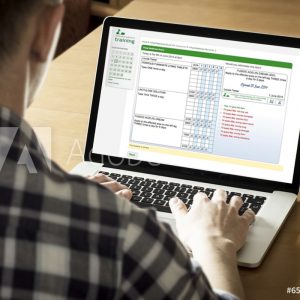
All of the information content is provided in interactive workbooks, which are accredited by the College of Pharmacy Practice. They deliver the entire Skills for Care knowledge set for medication. There's no point in expecting people to remember reams of information in a workshop – the workbooks provide a permanent learning resource for carers. |
|
A practical approach to reducing errors |
|
We specialise in reducing medication errors through the use of structured practical workshops. We use placebo medication with deliberate errors built in to see if carers notice their mistakes – most don't.
People select things visually – the shape of the bottle, the colour of the blister pack, where it's kept in the drug cupboard or trolley. Checking the label often involves just a cursory glance. fter having made mistakes, we teach them a safer way of working – a system we call "5". |
|
Improving the way people work |
|
Training should improve the way someone works, not just provide them with information. Reducing human errors requires you to first challenge a person's behaviour. Only if they see they are prone to making mistakes will they be receptive to working in a different (and safer) way.
|
|
|
|
|
|